Mandala 3D Layered SVG Cut File-33: A Practical Evaluation for Custom Printing and Design Projects
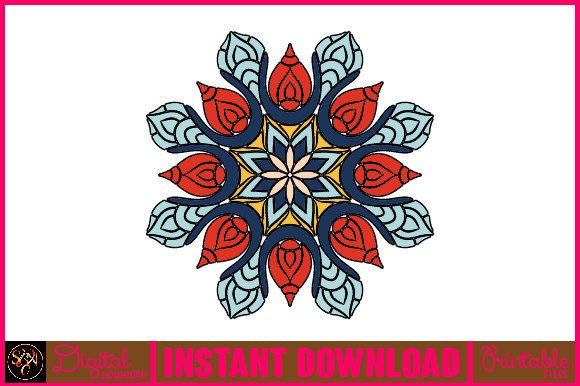
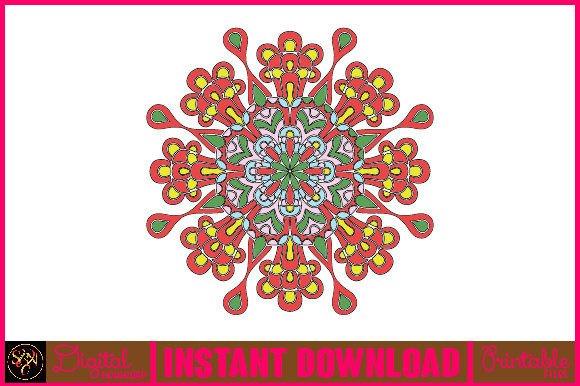
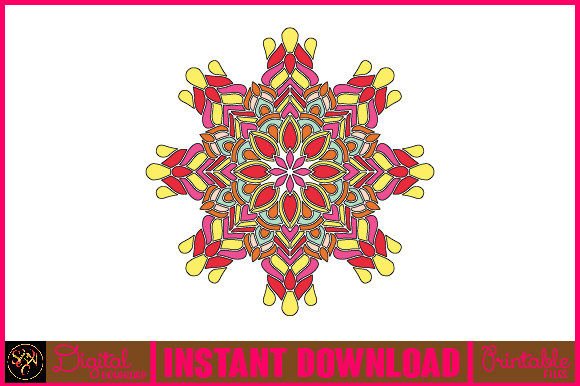
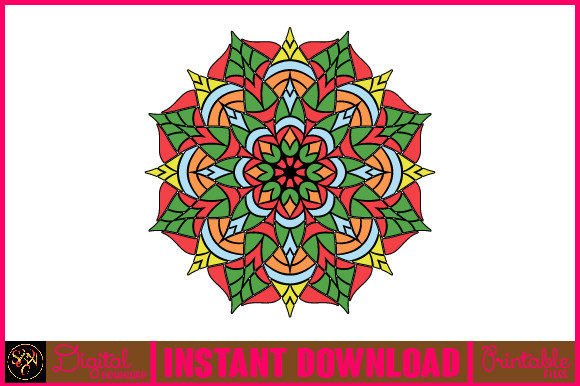
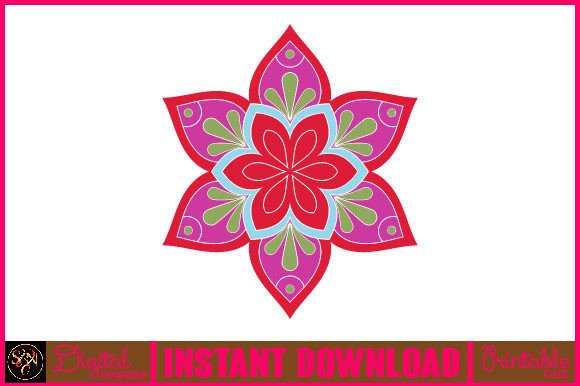
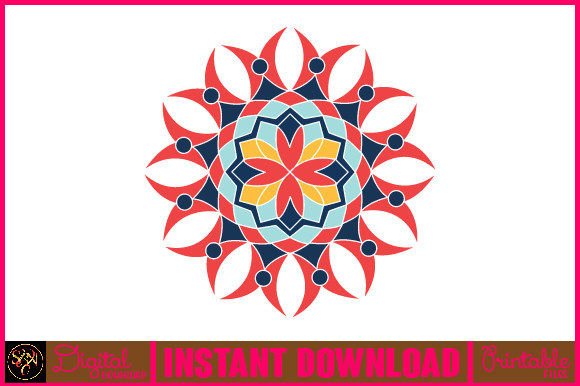
In the rapidly evolving landscape of digital crafting and custom merchandise, finding a design that balances aesthetic appeal with technical versatility is often the most challenging step. Mandala 3D Layered SVG Cut File-33 represents a specific intersection of hand-drawn artistry and modern vector technology. This asset features a colorful mandala with intricate tribal ornaments, designed to offer depth through its layered structure. Unlike flat illustrations, this file utilizes multiple layers to create a sense of dimensionality when cut or printed, making it a distinct option for creators looking to add texture to their projects.
The primary value proposition of Mandala 3D Layered SVG Cut File-33 lies in its adaptability. It is not merely a static image but a functional toolkit for various applications. Whether you are producing physical goods like t-shirts and hoodies or creating digital assets such as social media banners, the file format supports high-fidelity reproduction. The inclusion of a hand-drawn style ensures the design retains an organic feel, avoiding the sterile look often associated with purely algorithmic graphics. For professionals and hobbyists alike, understanding the specific capabilities and limitations of this file type is essential before committing to a project.
Distinguishing Features of the Layered Vector Format
The defining characteristic of Mandala 3D Layered SVG Cut File-33 is its construction. Standard vector files often contain a single path or a grouped set of paths that function as one unit. In contrast, this specific file is organized into distinct layers. This layering is critical for users who employ cutting machines like Cricut or Silhouette, as well as those utilizing professional printing software. By separating the elements, the designer allows for precise control over color application and material selection. For instance, one might choose to cut the outer tribal border from vinyl while using a different color for the central mandala pattern.
This approach differs significantly from raster-based images or flattened vectors. When comparing Mandala 3D Layered SVG Cut File-33 to standard clipart, the difference becomes apparent during the production phase. A flattened image requires manual tracing or simplification to achieve similar effects, which can degrade quality. With the layered SVG provided, the complexity is preserved without requiring additional editing time. The "3D" aspect mentioned in the title refers to the visual depth created by these overlapping elements, rather than actual three-dimensional geometry. This distinction is important for setting realistic expectations regarding the final output.
The file package further enhances its utility by providing a comprehensive suite of formats. Users receive an EPS file for professional vector editing, an SVG file optimized for cutting machines, a JPG for quick previews, and a PNG with transparency for immediate use in graphic design software. This multi-format delivery system addresses the fragmented nature of the creative industry, where different tools require different file types. Having all these resources in a single ZIP download eliminates the need to convert files manually, reducing the risk of errors and saving valuable project time.
Evaluating Use Cases Across Physical and Digital Media
The versatility of Mandala 3D Layered SVG Cut File-33 extends across a wide spectrum of applications. One of the most common uses is apparel customization. When applied to t-shirts, hoodies, or tote bags, the colorful tribal ornamentation stands out due to the vibrant palette inherent in the hand-drawn design. The layered structure allows for techniques like heat transfer vinyl (HTV) layering, where different colors are applied sequentially to mimic the original illustration's depth. This capability makes it superior to simple single-color designs that lack visual interest on fabric textures.
Beyond clothing, the design serves as an excellent candidate for home decor and stationary items. Printing this mandala on canvas bags, mugs, or posters benefits from the high resolution and clean lines of the vector format. The tribal elements provide a cultural richness that appeals to diverse audiences, making the design suitable for niche markets as well as general consumer goods. Furthermore, the ability to scale the image without loss of quality means it can be used for small items like stickers and phone cases just as effectively as large-scale posters.
In the digital realm, Mandala 3D Layered SVG Cut File-33 offers significant advantages for content creators. Social media banners and flyers often require graphics that capture attention quickly. The colorful nature of the mandala provides a strong visual hook. Because the file includes a transparent PNG, designers can overlay the mandala onto various backgrounds without worrying about white boxes or awkward cropping. This flexibility is particularly useful for event promotions, where branding elements must adapt to different layouts and color schemes. The hand-drawn aesthetic also adds a personal touch that resonates well with audiences seeking authentic, non-corporate imagery.
Comparative Analysis: Layered Vectors vs. Alternatives
When evaluating Mandala 3D Layered SVG Cut File-33 against other available options, several factors come into play. Many designers opt for free, single-layer SVGs to save costs. However, these alternatives often lack the depth and detail required for professional results. Achieving a 3D effect with a single-layer file requires extensive manual manipulation in software like Adobe Illustrator, which increases the learning curve and production time. The layered structure of Mandala 3D Layered SVG Cut File-33 offers a streamlined workflow for those who prioritize efficiency without sacrificing artistic quality.
Another comparison point is between pre-made digital downloads and commissioning custom artwork. Commissioning a unique piece ensures exclusivity but involves higher costs and longer lead times. Mandala 3D Layered SVG Cut File-33 sits in a middle ground, offering a high-quality, ready-to-use asset at a fraction of the cost of a custom commission. While it may not be entirely unique to your brand, the detailed tribal patterns allow for customization through color changes and scaling. This balance makes it a practical choice for small businesses and individual creators who need professional-grade assets on a budget.
There are tradeoffs to consider, however. The complexity of the design means that very small print sizes may result in a loss of detail, particularly in the finer tribal lines. Additionally, the "hand-drawn" style may not align with brands seeking a minimalist or geometric aesthetic. If a project requires a stark, corporate look, this ornamental design might be too busy. In such cases, simpler geometric mandalas or abstract line art would be more appropriate. Therefore, the decision to use this file should be driven by the specific stylistic goals of the project.
Decision Factors and Best-Fit Scenarios
Selecting the right digital asset requires a clear understanding of the intended outcome. Mandala 3D Layered SVG Cut File-33 is best suited for projects that demand a blend of traditional ornamentation and modern production techniques. It is an ideal choice for crafters who want to avoid the frustration of ungrouping complex files or fixing broken paths. The inclusion of multiple file formats ensures compatibility with a wide range of software, from beginner-friendly cutting apps to advanced professional suites.
For users focused on sticker production, the design's intricate details shine. Stickers often benefit from the layered approach, as it allows for die-cutting around complex shapes with precision. The vibrant colors ensure that the stickers remain eye-catching even in low-light environments. Similarly, for stationary items like notebooks and planners, the mandala serves as a beautiful focal point that elevates the perceived value of the product.
However, if the goal is rapid prototyping with minimal setup, a simpler design might be preferable. The time required to separate and manage multiple layers could be excessive for very small batches of products. In scenarios where speed is the absolute priority over detail, a single-path vector would be more efficient. Additionally, for monochromatic printing processes, the full-color potential of this file cannot be fully utilized, though the line work alone remains effective.